Layers of Dreams – Reflections on a Seven-Week Creative Journey
October 8, 2026Since spending more time in Zambia, I have found myself becoming increasingly curious about the trees and plants around me. Perhaps that isn’t surprising. Trees have been woven through my work for many years, through art, nature connection and particularly through the Tree of Life approach. But encountering unfamiliar trees brings a different kind of noticing. I find myself looking more closely: at bark, fallen pods, roots, changing leaves and the small treasures scattered on the ground.
One tree that has particularly caught my attention is the Mukwa tree – Pterocarpus angolensis. It is a tree with a story that feels particularly suited to reflection.
A tree of the Zambian landscape
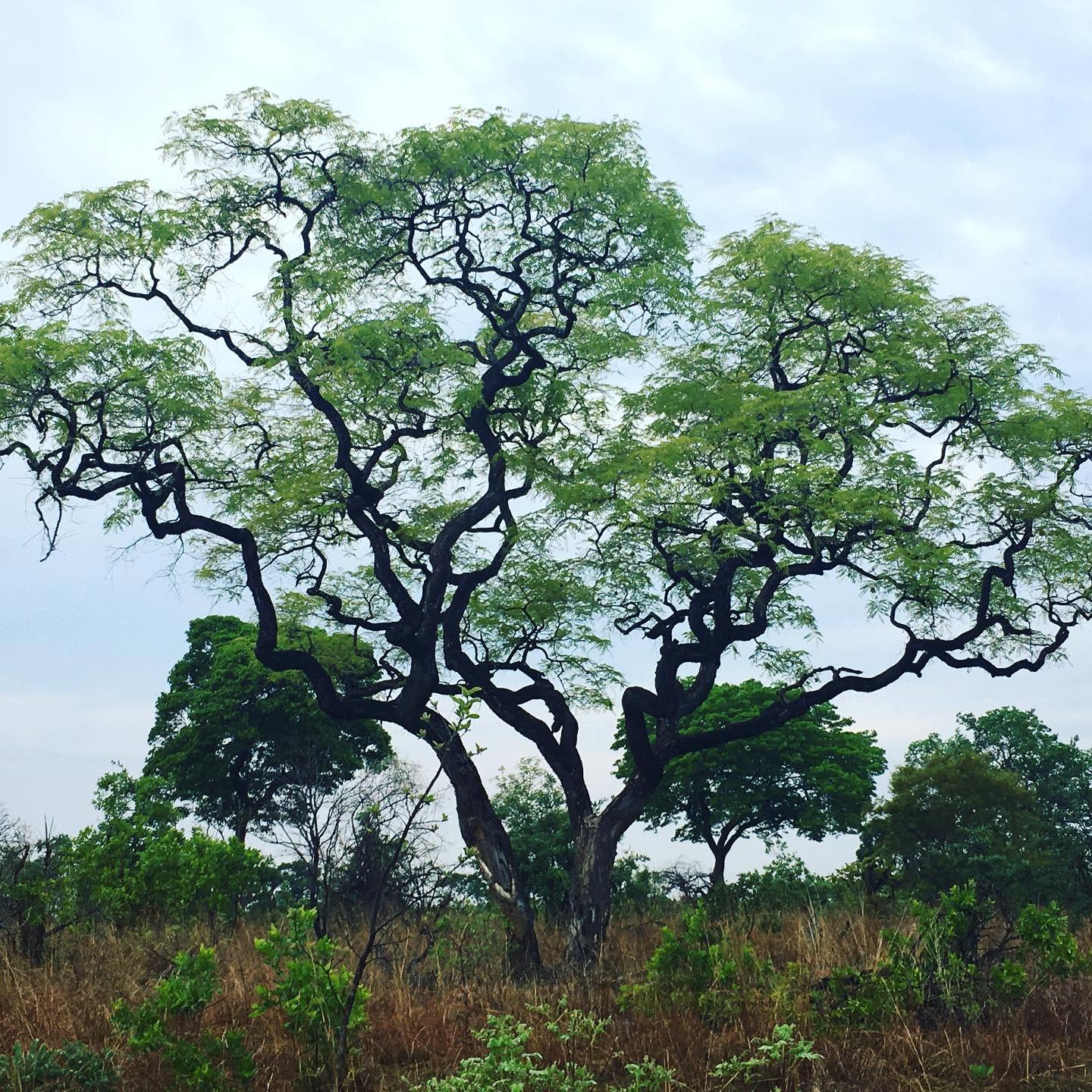
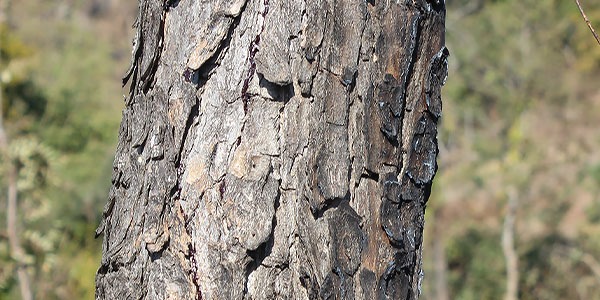
Mukwa is native across a broad area of southern and central Africa and is found in Zambia’s miombo and other deciduous woodlands. It is a deciduous tree, developing a rounded or spreading crown, with mature bark that becomes rough, fissured and grey brown. When the bark is cut, it can release a striking reddish sap. Its flowers range from golden-yellow to orange and may appear on new shoots before the leaves.
There is something rather beautiful about that image flowers emerging while the tree is still apparently bare. It reminds me that growth isn’t always immediately visible and that sometimes change has already begun before we can see its evidence.
The marks we carry
I am always drawn to tree bark. Up close, a tree is rarely smooth or perfect. There are cracks, scars, different colours and textures; evidence of weather and age, damage and repair. Yet we don’t look at an old tree and think that those marks somehow diminish it.
Quite the opposite. Often, it is precisely those textures that make us want to reach out and touch it. Perhaps there is something here for us too.
Our lives leave marks. Some come through experiences we have chosen and others through things we would never have chosen. There are seasons of growth and periods when very little seems to move at all. The whole story becomes part of us.
And then I found these…
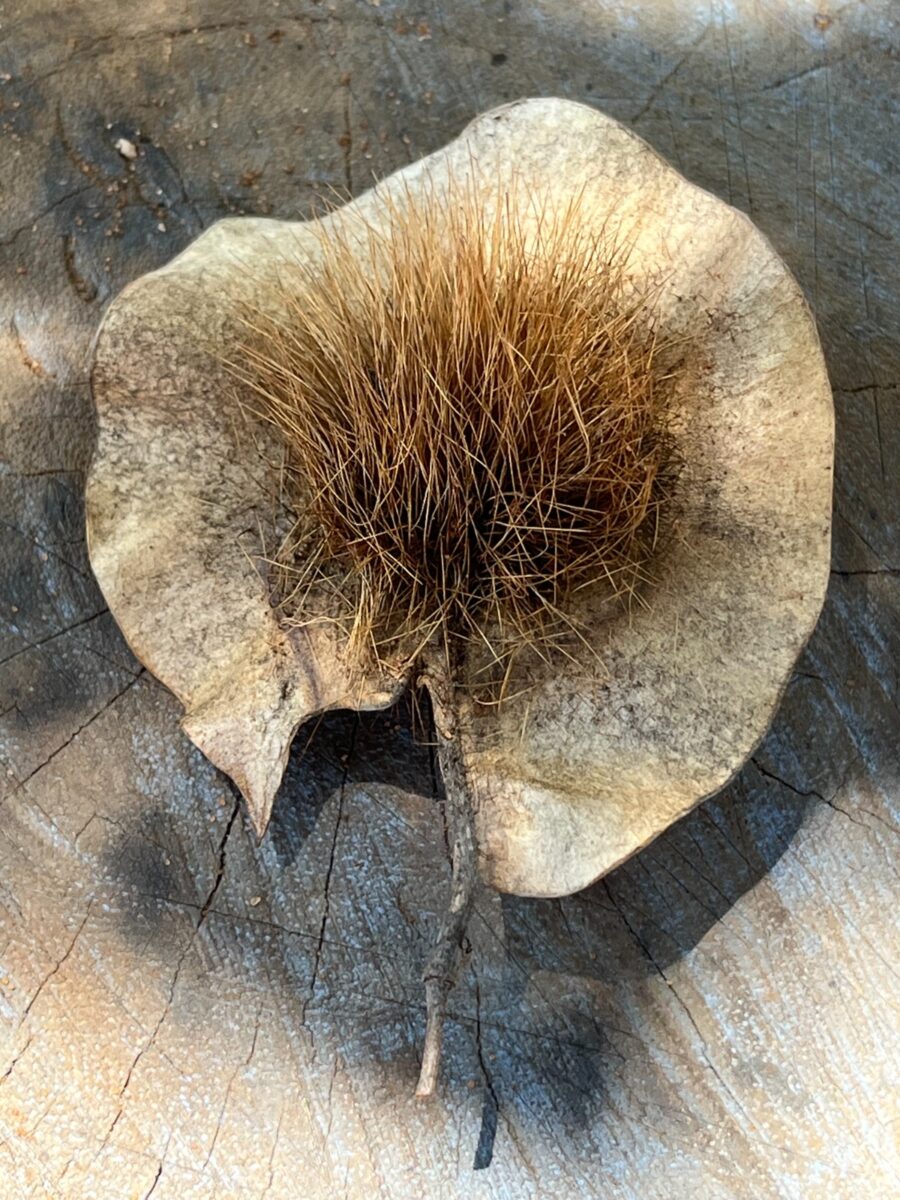
At first glance, they almost look as though they belong to another plant entirely.
The fruit of the Mukwa is a roughly circular pod, surrounded by a thin, stiff wing. At its centre is the seed-bearing area, densely covered with long bristles. The pod generally contains one seed, sometimes two. Looking closely at it, I was struck by the contrasts.
The delicate papery wing. The wild, protective-looking bristles and somewhere within all that complexity the seed.
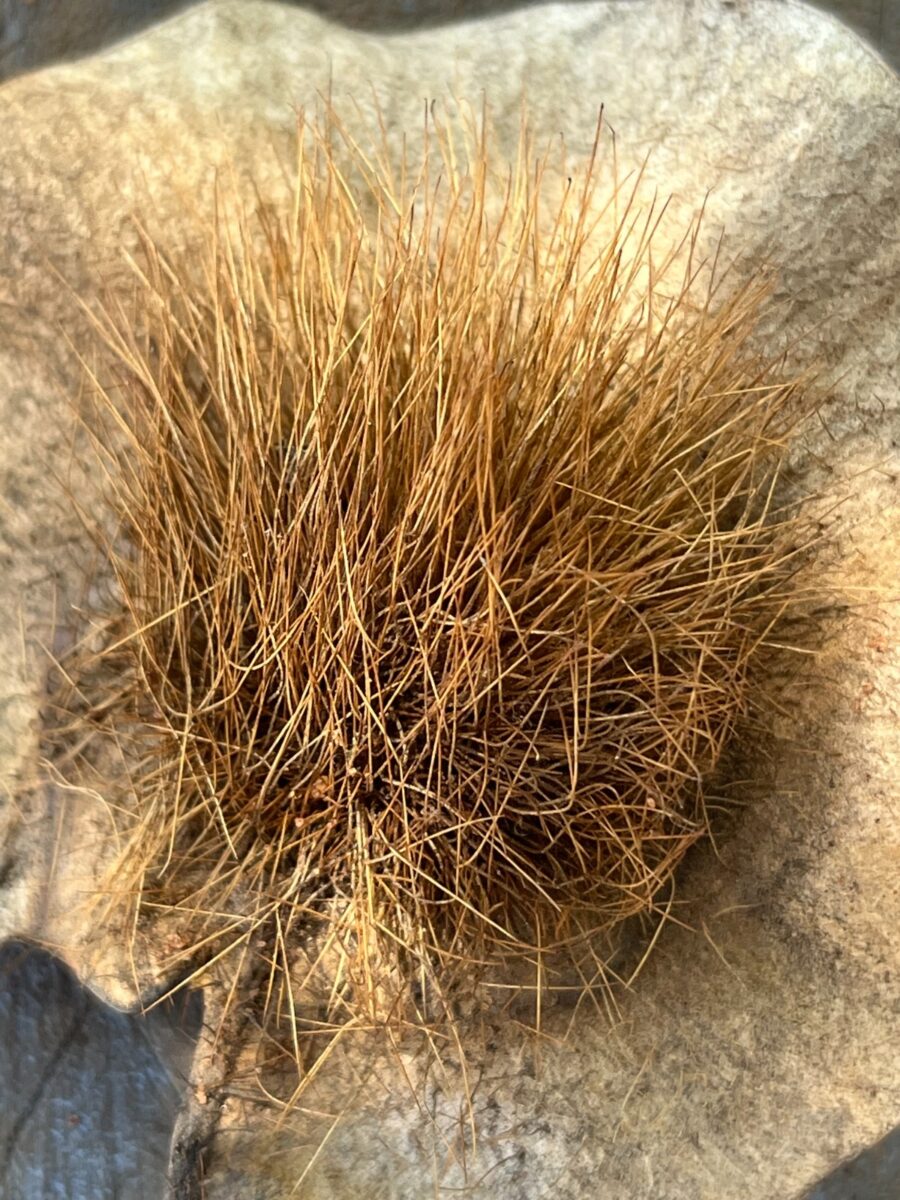
It made me think about the things we carry within ourselves that aren’t always immediately visible. Ideas, Memories, Strengths, Relationships, Values.
Hopes that may have been put aside and possibilities that haven’t yet had the conditions they need to grow. A seed does not need to know exactly what the finished tree will look like. It simply carries the possibility.
Looking at our own tree
This is one of the reasons I continue to find the metaphor of the Tree of Life so powerful.
When life feels difficult or uncertain, our attention can understandably become focused on what is happening right now. Sometimes that particular part of our story can become so large that it is difficult to see anything beyond it.
The Tree of Life invites us to widen the view. Rather than beginning with problems, we begin to explore the landscape of a person’s life.
- The roots can connect us with where we have come from places, people, culture, memories and experiences that have shaped us.
- The ground can represent what sustains us in our lives today.
- The trunk can hold skills, qualities, values and strengths.
- The branches can reach towards hopes, dreams and possibilities.
- The leavesmay represent important people, past or present, who have contributed something to our lives.
And the fruits and seeds can become gifts we have received, gifts we offer others, or things we would like to carry forward and nurture.
There can also be storms. Because a Tree of Life isn’t about pretending that difficult things haven’t happened. It allows us to acknowledge the storms a tree has weathered while making sure that the storm does not become the whole story of the tree.
The seeds we carry
I keep returning to that strange and beautiful Mukwa pod. From the outside, it is dry, rough and bristling, yet held within it is something quite different: the possibility of another tree. Perhaps that’s a useful reminder for all of us we don’t always know what the next season will bring. We don’t necessarily need to have everything worked out. Sometimes it is enough to notice what we are already carrying and to create the conditions in which something new might begin to grow.
1:1 Tree of Life Sessions
If you would like to explore your own Tree of Life, I currently offer individual online sessions through Green Tree Arts Studio.
The sessions combine creative exploration, conversation and reflection and are individually paced around you. No previous art experience is needed. Through drawing, colour, imagery, words and conversation, we gradually build the tree and become curious about what appears your foundations, strengths, significant relationships, experiences, values and the things you may want to nurture next.
For someone moving through change, transition, bereavement, uncertainty or a new chapter in life, this can offer a different way of looking at where you are.
If, you would like to find out more, please contact me for an informal conversation. We also offer Group Opportunities for Organisations.
contact@greentreeartsstudio.co.uk
https://www.greentreeartsstudio.co.uk/tree-of-life-programme/What’s App +447860867118